Raw steel, plates, beams, sheets, whatever a project is asking for, this is what steel fabricators UK take and turn into finished components for buildings, factories, and many other kinds of engineering work. Maybe you have come here because you want to understand what fabrication really means, how the whole process works, or why construction and industry depend on it so much. Below, the process itself gets explained, along with the industries using it and the standards that make sure everything stays safe.
What Fabrication Actually Involves
Picking parts off a shelf, this is not what fabrication is about. Every job comes custom made. Drawings or specifications are given to a fabricator, and from these, a physical object has to be produced, through cutting, drilling, folding, and welding, so the result matches whatever was planned on paper.
Plasma cutters, laser cutters, press brakes, welding equipment, and machinery of this sort, workshops doing this kind of work are equipped with all of it. Still, machinery by itself cannot finish the job. Real skill from the people operating this equipment stays essential, because even a small mistake in a weld or a measurement, this can affect the whole structure. For steel that is meant to carry heavy loads, there is little room left for careless tolerances.
How the Process Generally Runs
No matter the size of a job, mostly the same sequence gets followed. Drawings come first, where dimensions, material choices, and how each joint should come together, all of this gets worked out by an engineer or draughtsman. After this stage, sourcing and inspecting the steel happens, before any cutting starts.
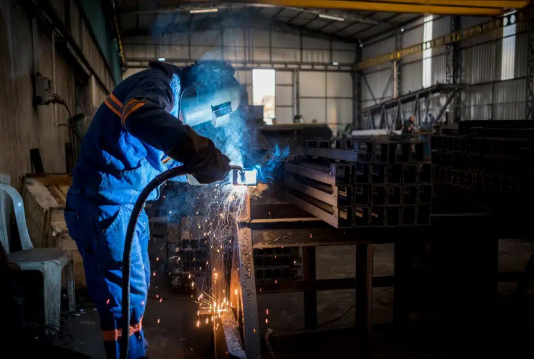
Cutting can be done through plasma, laser, or oxy-fuel, this depends on the thickness and type of steel being used. Once pieces get cut to the size required, bending or rolling into shape often comes next, using press brakes or rollers. Welding follows after this, bringing all the separate pieces together into one solid unit. And before anything leaves the workshop, usually there is a finishing stage too, galvanising or painting, so rusting does not begin once the steel reaches site.
Where Fabricated Steel Is Actually Used
Many industries depend on fabricated steel, mostly because it is strong, lasts a long time, and can be shaped into almost any form that is needed. Construction leans on it a lot, since buildings, bridges, and warehouses, all of these sit on a fabricated steel frame underneath. For farms, barns and gates get made from it. Custom brackets and machine parts, manufacturers need these too. Platforms, staircases, and walkways in energy and transport sectors, steel supports these as well.
Because steel can take whatever shape a project needs, usually fabricators get brought in for jobs that do not fit a standard, off-the-shelf product. This, really, is the whole appeal, instead of being stuck with generic parts, something built specifically for the exact problem in front of you becomes possible.
Standards That Cannot Be Skipped
Strict rules must be followed for any structural steelwork, especially anything load-bearing. Across the UK, most fabricators work according to BS EN 1090, which covers how steel and aluminium structures should get executed, welding procedures, tracing materials back to their source, and keeping dimensions accurate throughout.
Even after design approval, checks do not stop. Along the way, welds get inspected, measurements get checked more than once, and before finished pieces are allowed to leave the workshop, testing happens too. This might sound like too many steps, but for good reason, since one bad weld placed in the wrong spot could put an entire building at risk.
Why Local Fabrication Is Worth Considering
Working with fabricators actually based in the UK, this brings a real advantage. Local building regulations tend to be understood well by them, along with how UK weather affects the choice of materials, and what site access usually looks like. Both British and European standards, most UK steel fabricators know these well, which means compliance issues that would mean redoing work later become less likely.
Logistics also become simpler when fabrication stays local. Less risk of damage during transit comes from shorter delivery distances, and lining up delivery with installation gets easier too, especially for pieces that are large or oddly shaped and not easy to move around.
In Summary
A hands-on process, heavy with standards, this is what fabrication really is, turning raw steel into the parts that hold up buildings, factories, and infrastructure across the whole country. Once the journey from drawing board to finished weld gets properly understood, it becomes easier to see why fabrication stays such a core part of how things get built. Whether it is a small bracket or a full structural frame, the same things matter at every stage: precision, having the right equipment, and following the standards properly throughout.