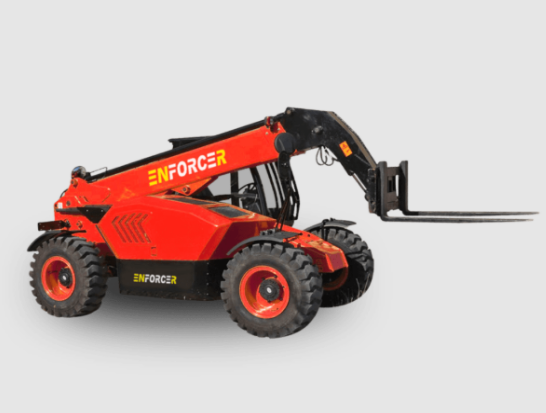
A telehandler with the wrong tyres on a demolition site, or the wrong boom length on a tight residential build, doesn’t just slow a job down — it can stop work entirely until the right machine turns up. Telehandler hire in Perth gets booked the same way most equipment does: someone calls, describes the job loosely, and a machine arrives that might not suit the site. The businesses that avoid this trap just know which questions matter before the truck leaves the yard.
Reach Costs You Capacity
Reach and lift capacity work against each other, and this is the part most people get wrong without realising it. Extend the boom further and the safe load drops, sometimes sharply, which means a telehandler rated to lift a heavy load at ground level might struggle with a fraction of that weight at full extension. Sites that book based on a single headline lift figure, without checking what it means at the working height they need, end up with a machine that can’t do the job once the boom goes up.
Let Ground Pick the Tyre
Ground type should drive the tyre decision, not the other way around, yet plenty of bookings happen with whatever tyres the yard has spare that week. Solid tyres shrug off broken concrete and exposed rebar without the puncture risk pneumatic tyres carry there. Take those same solid tyres onto soft, unsealed rural ground and the ride turns rough and traction drops noticeably. A provider who asks what the ground actually looks like is paying attention to the detail that decides whether the machine performs.
One Machine, Several Jobs
Most sites hire a telehandler for pallet work and never ask what else the machine could be doing for them. A bucket attachment turns it into an earthmover without bringing a separate loader onto site. A jib attachment gives crane-style vertical lift for awkward placements. Truss booms exist specifically for roofing work where precision matters more than raw power. Asking what’s actually available, rather than accepting the standard fork carriage by default, often means one machine covers work that would otherwise need two pieces of equipment.
The Ground Gets Blamed Last
Tipping incidents get blamed on operator error far more often than the ground actually deserves. Soft or recently disturbed ground changes the safe operating envelope of a telehandler in ways that aren’t always visible from the cab, and a machine that’s fine on compacted ground can become genuinely unstable on fill that looks solid but isn’t. Providers offering telehandler hire in Perth who push for ground details before recommending stabilisation aren’t being cautious for the sake of it — they’ve seen what happens when that conversation gets skipped.
Boom Out Changes the Physics
There’s a meaningful difference in how a telehandler handles with the boom retracted versus fully extended, and an operator who’s only ever driven one configuration is genuinely underprepared for the other. The physics shift enough that confidence on flat, low-extension work doesn’t translate automatically to working safely at height with a load out front. Hire providers who check ticketing without exception, and who can supply a trained operator rather than just the machine, are removing a risk too many sites quietly accept.
Hydraulics Fail Quietly
A hydraulic problem often develops gradually via wear that would have been discovered by routine examination. A machine with a spotty service history is a failure waiting to happen, often mid-lift on a busy day, since almost everything a telehandler accomplishes relies on hydraulics operating properly under stress. Providers that take maintenance seriously are distinguished from those who only hope nothing goes wrong by requesting to see real inspection records rather than just a verbal guarantee.
Access Problems Cost Mornings
Good planning either succeeds or fails on delivery day, and site access is the aspect that is most often overlooked. The project has already lost time before any work is done if a telehandler shows up to discover a gate that is too small, overhead electricity wires that no one mentioned, or a driveway that is too soft to sustain the truck. Rather than thinking that every site is the same, telehandler hiring providers in Perth that enquire about access restrictions up front avoid the uncomfortable rearranging that takes up a morning that was meant to begin on time.
Conclusion
All of this is straightforward once it is articulated; however, it is precisely the type of detail that is overlooked when a reservation is made expeditiously. Before confirming the telehandler hire in Perth, it is necessary to enquire about the boom’s performance at the actual working height, the availability of attachments, the ground conditions, and the machine’s maintenance history. Websites that incorporate these enquiries into each reservation cease to regard equipment rental as a wager and instead regard it as a decision that they have the authority to make.